WHAT IS A NATURAL HORN?
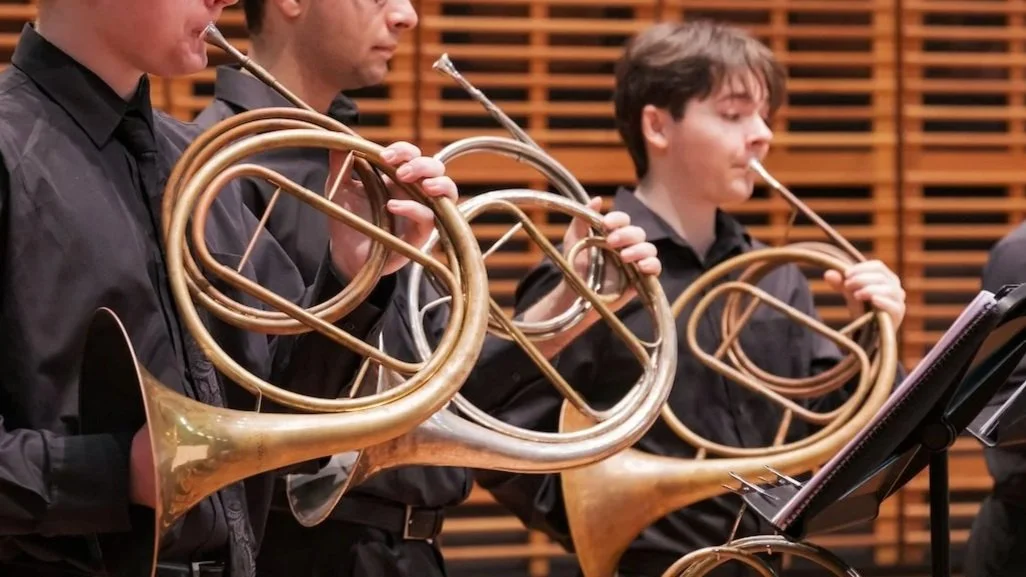
A natural horn is an instrument made of a long coiled tube of brass, with a mouthpiece at one end and a bell at the other. Like the modern horn, it has a basic pitch, and then a series of higher pitches along the natural harmonic series, achieved with adjusting the lips (or embouchure). However, unlike the modern horn, it has no valves to change that basic pitch to allow other scales and keys. Instead, natural horn players utilise crooks and hand position.

The harmonic series beginning on C.
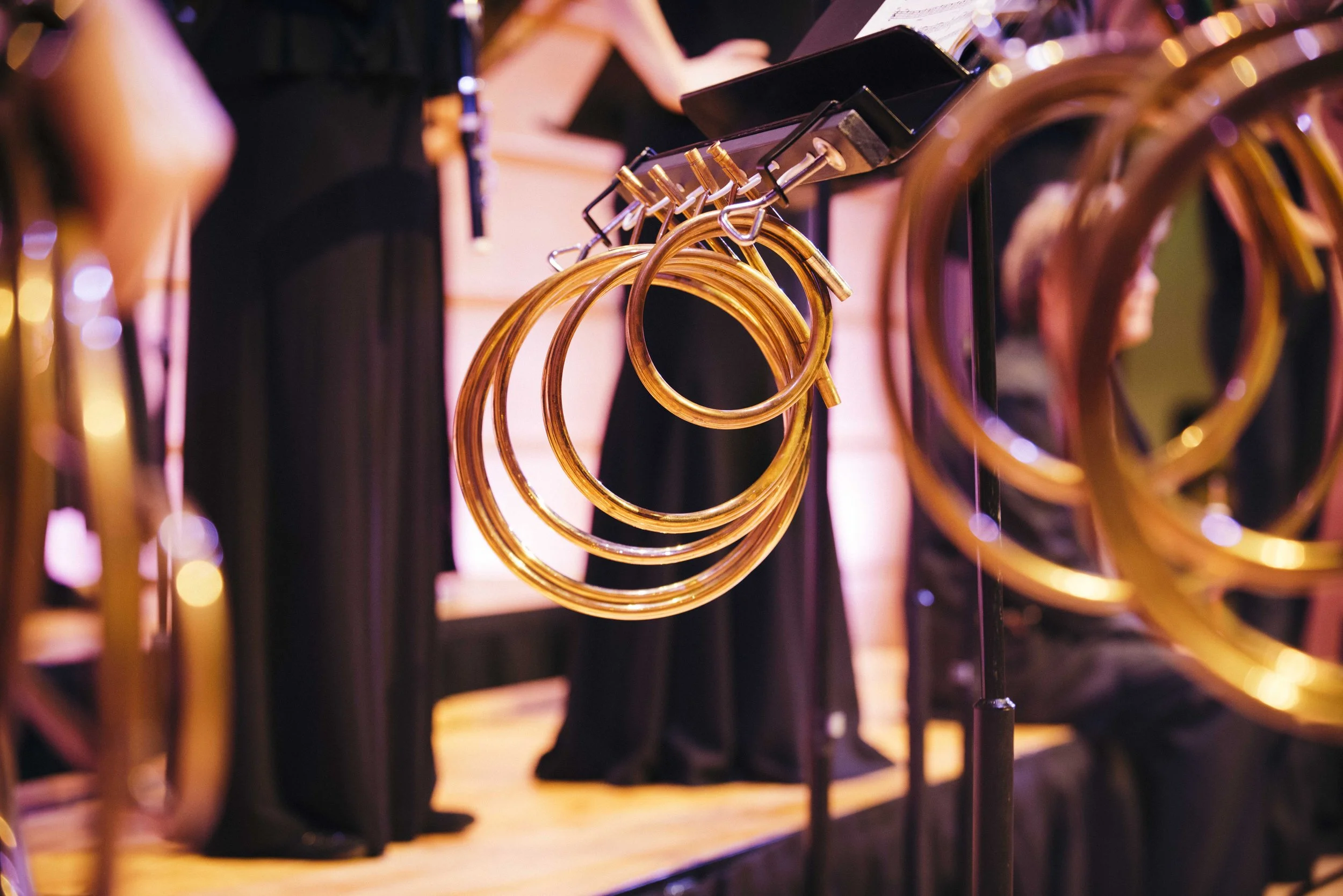
Crooks are coiled tubing of different lengths that can be inserted between the mouthpiece and the body of the horn, adjusting the basic length of the instrument and thus its base note or key (C, F, E flat, etc). These are carried around with the instrument and can sometimes be seen dangling from hooks on music stands, waiting for their moment to be used as the music changes key.
In the early 18th century, horn players discovered that by inserting their right hand in the bell they could modify those basic pitches. Gradually closing the hand can lower any sounding pitch one half step with moderate stopping, and any pitch may be lowered to a half step above the next open pitch by combining full stopping and “lipping” the note down.
Watch and hear ARCO hornist Emma Gregan demonstrate crooks, hand positions and the amazing tone colours of the natural horn!
This made it possible (though not easy!) to play a chromatic scale, and Classical composers jumped at the possibilities, expanded by virtuoso performers like Jan Václav Stich (a Bohemian who changed his name to its Italian version, Giovanni Punto, when he began touring). Mozart alone wrote a horn quintet and four horn concertos. The first valved horn was invented in 1814.
WHAT DOES A NATURAL HORN SOUND LIKE?
The sound of the natural horn, compared to modern horn, is a little wilder and more open, with much more diversity of tone colour across its range. Hearing two or even four natural horns together is a thrilling experience (as in Mendelssohn’s ‘Scottish’ Symphony no.3 in A minor), but the natural horn also shines as a sophisticated member of a chamber string ensemble, with music written by Mozart, Michael Haydn and Punto himself for this combination.
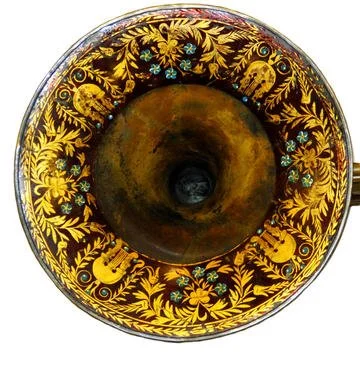
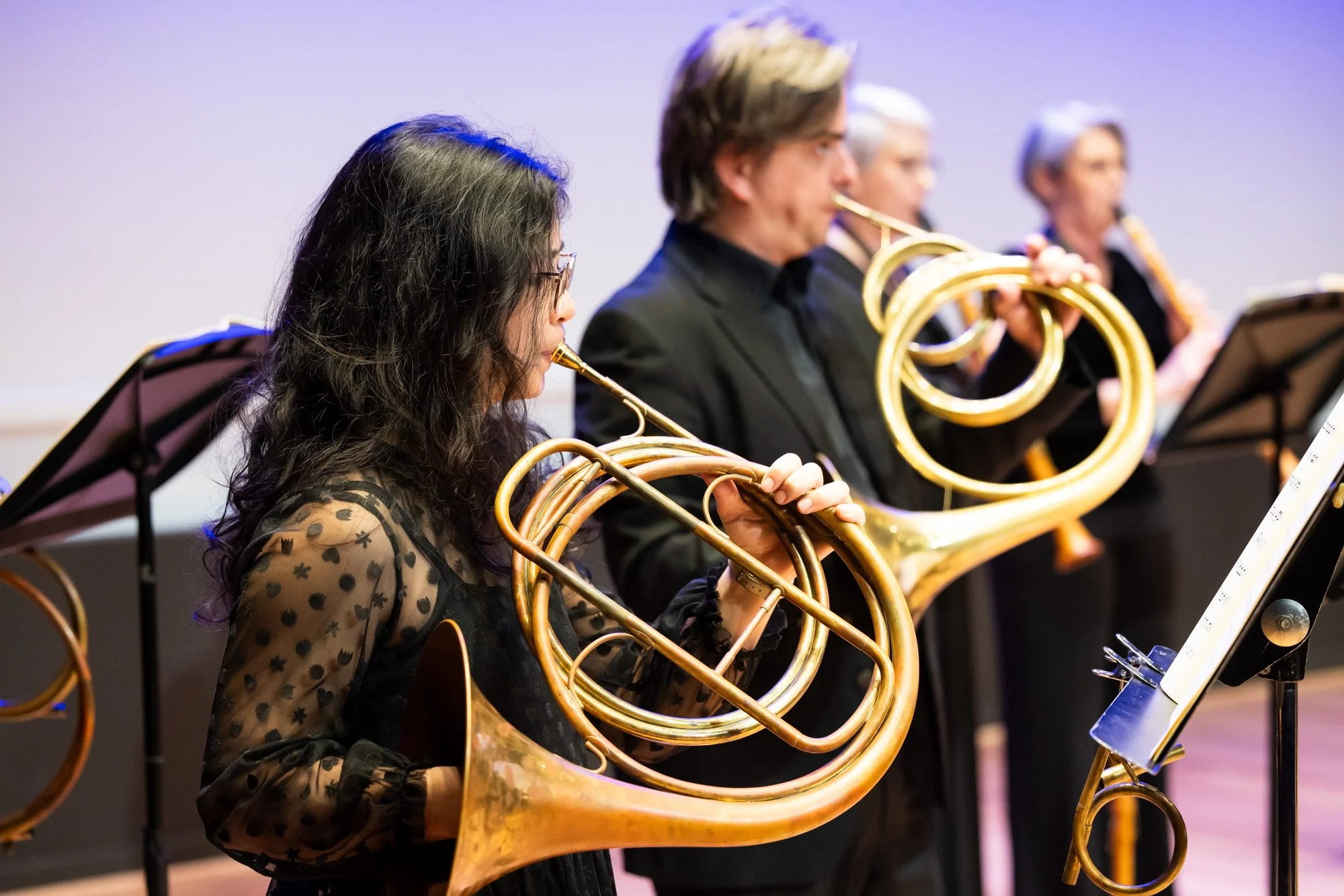
Emma Gregan and Bart Aerbeydt perform Mendelssohn with ARCO in 2023.