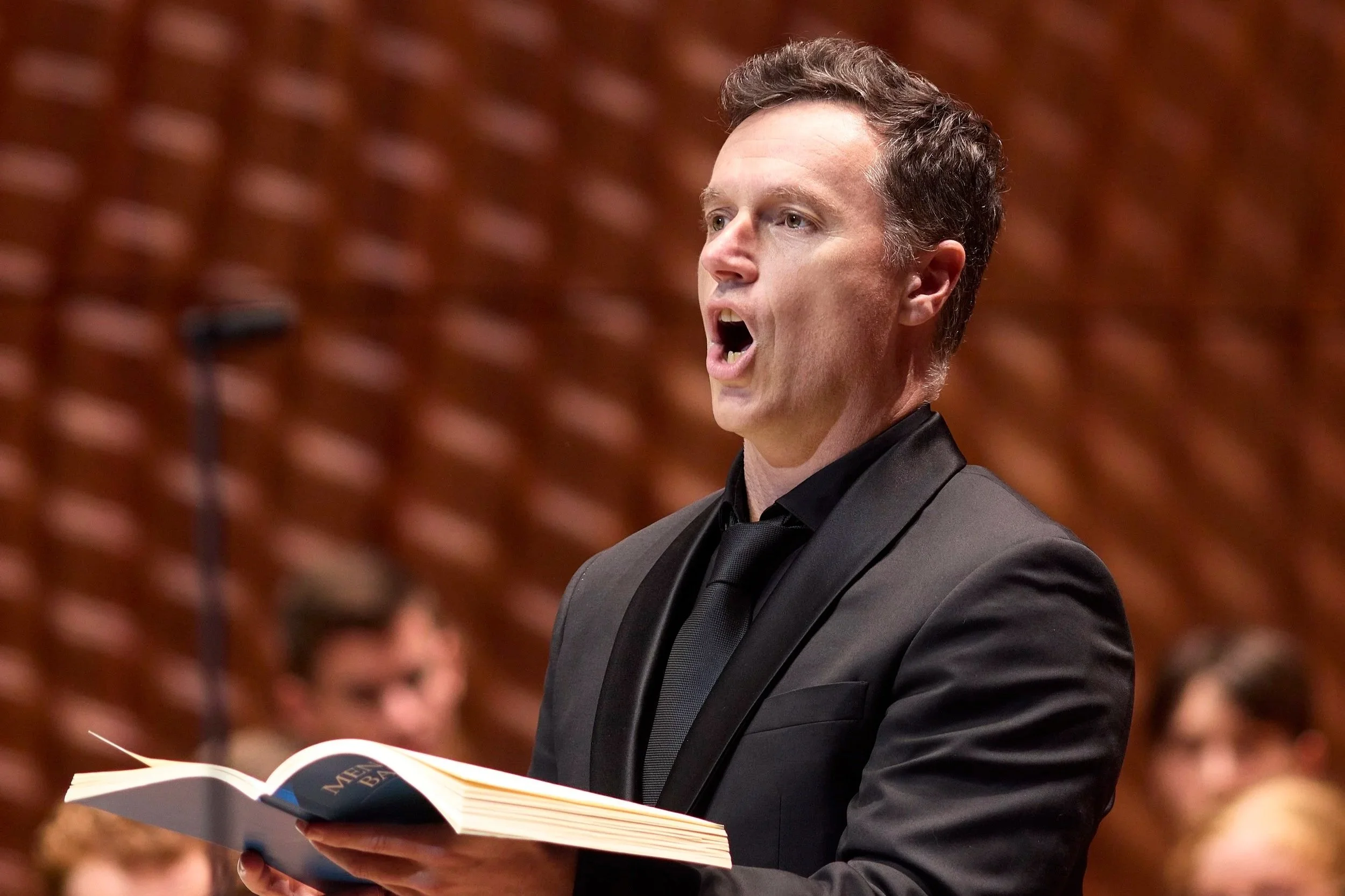
Bel canto tales of love and madness from 19th-century Italy, told by some of Australia’s most brilliant singers, using all the chiaroscuro and passion of the human voice against a lush backdrop of historical strings, winds and brass.
Based on groundbreaking new research by Neal Peres Da Costa, and featuring sopranos Anna Fraser and Claire Burrell-McDonald, tenor Jordan Sarkis and bass David Greco.
With grateful thanks to the Sydney Conservatorium of Music, University of Sydney.
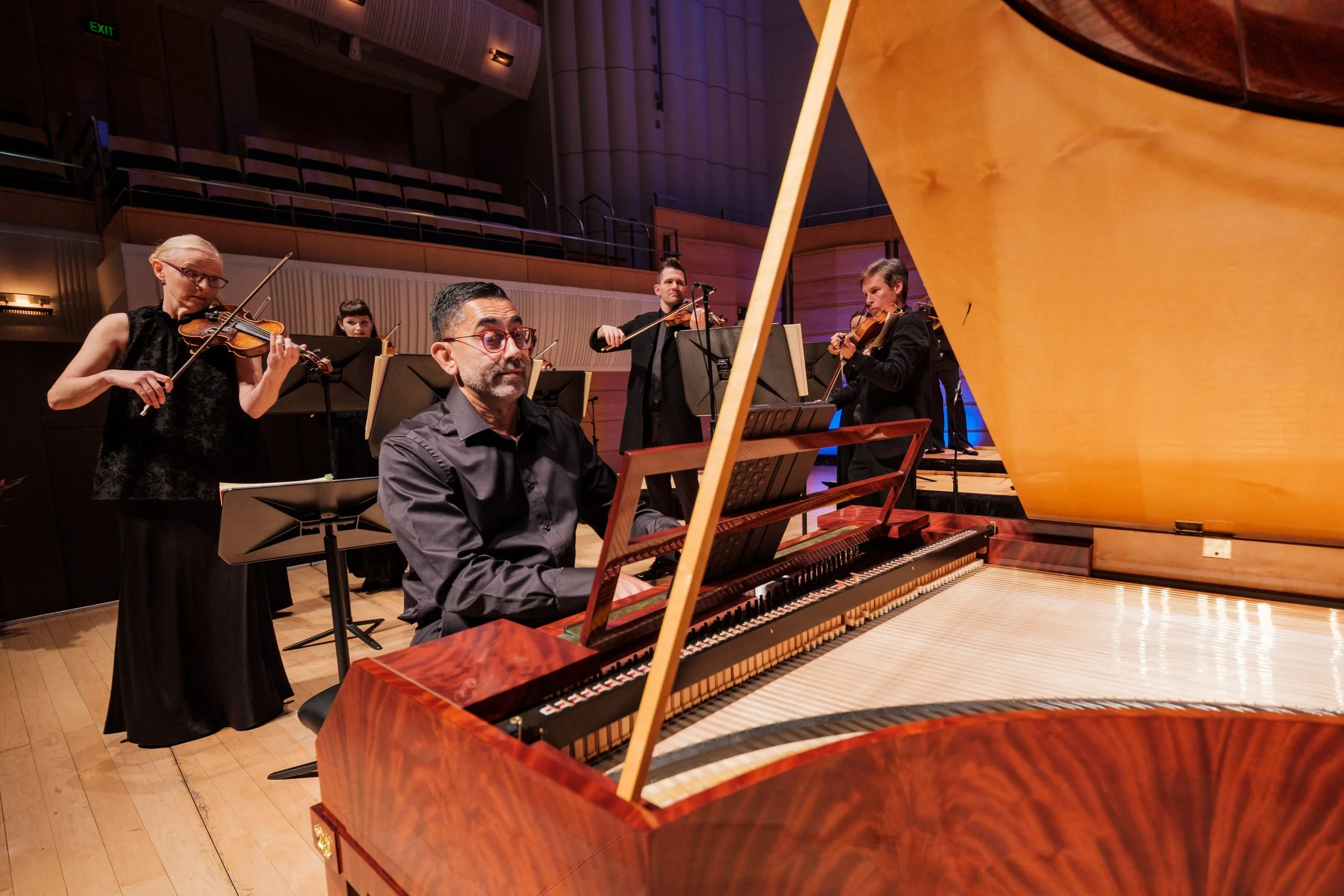
Photo: Robert Catto
“A dazzling performance…by Australia’s finest early music exponents.”
ARTISTS
The Australian Romantic & Classical Orchestra
directed by
Rachael Beesley | Violin
& Neal Peres Da Costa | Fortepiano
Anna Fraser | Soprano
Claire Burrell-McDonald | Soprano
Jordan Sarkis | Tenor
David Greco | Bass
PROGRAM
CIMAROSA Sinfonia and Aria: ‘Pria che spunti in ciel’ from Il matrimonio segreto
Recitative: ‘Che per pietà mi dice’
Aria: ‘Ah! Parlate’ from Il sacrificia d’Abramo
MORLACCHI Aria: ‘Morir ciel qual concento’ and Romanza from Teobaldo ed Isolina
ROSSINI Recitative: ‘Si, vi sarà vendetta’ and Aria: ‘Deh ti ferma’ from Semiramide
CRESCENTINI Recitative: ‘Idolo del mio cor’ and Aria: ‘Ombra adorata aspetta’
ZINGARELLI: Sinfonia No.7 Op.22
BEL CANTO and MANUEL GARCIA
In 1840, Manuel García II (1805–1906)—arguably the most famous singing pedagogue of the nineteenth century—published part 1 of his influential singing treatise entitled Ecole de García: Traité complet de l'art du chant (Treatise on the Art of Singing). This was followed in 1847 with the second edition of part 1 and the first edition of part 2 of the treatise. In these two parts, García preserved for the future an extraordinary level of detail about the art of bel canto.
His treatise was extremely popular throughout the 19th century and early 20th century. He taught many famous singers, some of whom were captured on early wax sound recordings. These tell us much about 19th-century singing style which at its heart was declamatory: bel canto singers told stories through their singing, employing the same types of sounds and delivery practices (for example, frequent changes to timing and rhythm) used by actors, narrators and orators, and using the full potential of vocal sounds and colours across their range to convey forcefully and convincingly the meaning of the text.
Love, Loss, Madness & Death recaptures that passionate bel canto style, based on exciting new research by Prof. Neal Peres Da Costa, and brought to dramatic life by some of Australia’s best historically informed performance (HIP) musicians.

Photo: Robert Catto